

Owning rental property in North Carolina can be a great investment, but it also comes with legal responsibilities. Whether you’re a first-time landlord or you’ve managed rentals for years, staying up to date on landlord-tenant laws can help you avoid expensive mistakes, protect your investment, and maintain positive tenant relationships.
In the video below, we cover four important North Carolina landlord laws every rental property owner should understand.
1. Follow the Legal Eviction Process
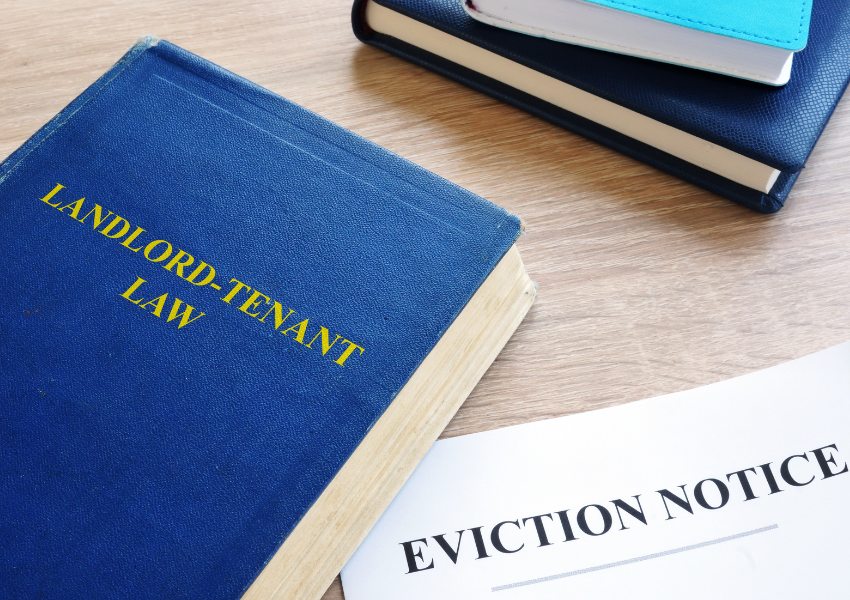
One of the most common mistakes landlords make is trying to remove a tenant without following the proper legal process. In North Carolina, landlords cannot simply change the locks, shut off utilities, or remove a tenant’s belongings because rent hasn’t been paid.
Instead, evictions must proceed through the court system.
Before filing for eviction, landlords should ensure they have met all legal notice requirements and followed the procedures outlined under North Carolina law. Attempting a “self-help” eviction can create unnecessary delays, increase legal costs, and potentially expose a landlord to liability.
Keeping organized records is equally important. Maintain copies of:
- Lease agreements
- Rent payment history
- Written notices
- Communication with tenants
- Inspection reports
Accurate documentation can make the eviction process much smoother if a dispute reaches court.
Key takeaway: Never skip steps in the eviction process. Following the proper legal procedures helps protect your rights while reducing unnecessary legal risk.
2. Security Deposit Requirements
Security deposits help protect landlords from unpaid rent and property damage, but North Carolina has specific rules governing how these funds must be handled.
Landlords are generally required to keep security deposits in a trust account and provide tenants with any required disclosures regarding where the deposit is being held.
Once a tenant moves out, landlords typically have 30 days to either:
- Return the security deposit, or
- Provide an itemized statement explaining any deductions.
If additional time is needed to determine repair costs or damages, North Carolina law generally allows landlords to provide a final accounting within 60 days.
Following these requirements is important because failing to properly handle a security deposit could limit a landlord’s ability to retain funds for legitimate damages.
To help avoid disputes:
- Complete move-in and move-out inspections.
- Take dated photographs of the property’s condition.
- Keep receipts for repairs.
- Document any deductions clearly and thoroughly.
Good recordkeeping helps create transparency for both landlords and tenants.
3. Fair Housing Laws
Every landlord should understand their responsibilities under federal Fair Housing laws.
These laws prohibit discrimination based on protected characteristics, including:
- Race
- Color
- Religion
- Sex
- National origin
- Disability
- Familial status
Compliance extends far beyond simply approving or denying applications.
Fair Housing rules affect:
- Rental advertisements
- Property showings
- Tenant screening
- Application reviews
- Lease enforcement
- Renewal decisions
For example, if a tenant with a disability requests a reasonable accommodation, landlords are generally required to evaluate that request according to applicable Fair Housing requirements.
One of the best ways to remain compliant is to create consistent policies and apply them equally to every applicant.
That includes:
- Using the same screening criteria
- Asking consistent application questions
- Following identical approval procedures
- Documenting decisions
Consistency helps reduce legal risk while promoting fair treatment for every prospective tenant.

4. Know the Rules Around Leases and Rent Increases
Unlike some states, North Carolina does not have statewide rent control. That generally gives landlords flexibility when determining rental rates based on market conditions.
However, that flexibility does not eliminate other legal responsibilities.
Landlords should still ensure they comply with applicable laws regarding:
- Written lease agreements
- Required disclosures
- Security deposits
- Late fees
- Lease modifications
- Notice requirements
Before increasing rent or changing lease terms, carefully review the existing lease agreement to determine what notice is required and confirm you’re complying with current North Carolina law.
Regularly reviewing your lease documents can also help ensure they remain up to date with current legal requirements and industry best practices.
Many landlords choose to work with an experienced property management company because staying current with changing regulations can become increasingly complex as rental portfolios grow.
Professional management can help landlords:
- Stay compliant with landlord-tenant laws
- Maintain accurate documentation
- Handle tenant communication
- Coordinate maintenance
- Reduce legal risk
- Protect long-term property value

Staying Informed Helps Protect Your Investment
Being a successful landlord involves much more than collecting rent each month. Understanding North Carolina’s landlord-tenant laws can help you avoid costly mistakes while creating a smoother rental experience for both you and your tenants.
Keep in mind that landlord-tenant laws may change over time, and this article is intended for general educational purposes only. It should not be considered legal advice. For guidance on your specific situation, consult a qualified North Carolina attorney.
If you’d like help navigating the responsibilities of rental property ownership, the team at Real Property Management Queen City can help you manage your property while staying compliant with applicable laws.
This content is provided for general informational and educational purposes only and does not constitute financial, legal, tax, or investment advice. Readers should consult with licensed professionals regarding their specific circumstances.
We are pledged to the letter and spirit of U.S. policy for the achievement of equal housing opportunity throughout the Nation. See Equal Housing Opportunity Statement for more information.
