

Key Takeaways
- A lease cannot erase a landlord’s statutory repair and habitability duties.
- Security deposits have limits, handling requirements, and accounting deadlines.
- Rent changes and evictions require careful review of the lease and applicable law.
If you own a rental in Charlotte, Huntersville, or Gastonia, North Carolina landlord-tenant law governs decisions from the lease you sign to the day you return a deposit. At Real Property Management Queen City, we manage rentals across the Charlotte metro. This guide explains core obligations and rights in plain language so owners can recognize issues before a dispute develops.
Free Property Management Consultation
The NC Residential Rental Agreements Act: The Foundation
Much of what governs landlord and tenant rights in North Carolina comes from Chapter 42 of the General Statutes.

The Residential Rental Agreements Act, within that chapter, addresses residential rental obligations and remedies. Other articles govern deposits and eviction procedures. Following one part does not replace the requirements in another.
Landlord Duties Under North Carolina Law
Owners have specific responsibilities: comply with applicable building and housing codes, make repairs to keep the unit fit and habitable, maintain safe common areas, and keep supplied facilities in good working order. Provide operable smoke alarms and carbon monoxide alarms where required.
These duties exist whether or not they appear in the lease. A tenant’s acceptance of defective conditions does not release the landlord from statutory obligations. Catching a failing HVAC unit or missing smoke alarm before move-in is better than discovering it through a habitability complaint.
Tenant Rights in NC You Need to Respect
Tenants have protections involving habitable housing, deposit accounting, and discrimination. Good-faith repair requests or complaints about code violations can also support a retaliatory-eviction defense.
Respect privacy and follow the lease’s access provisions. Do not assume there is a universal statutory 24-hour entry rule. Clear communication about inspections and repairs helps owners document why access was needed and how it was arranged.
Lease Requirements That Hold Up
A lease is central to the relationship. North Carolina recognizes oral leases in some circumstances, but a written agreement makes the parties’ obligations easier to establish. Spell out rent, due dates, lawful fees, deposits, maintenance responsibilities, and the tenancy’s term.
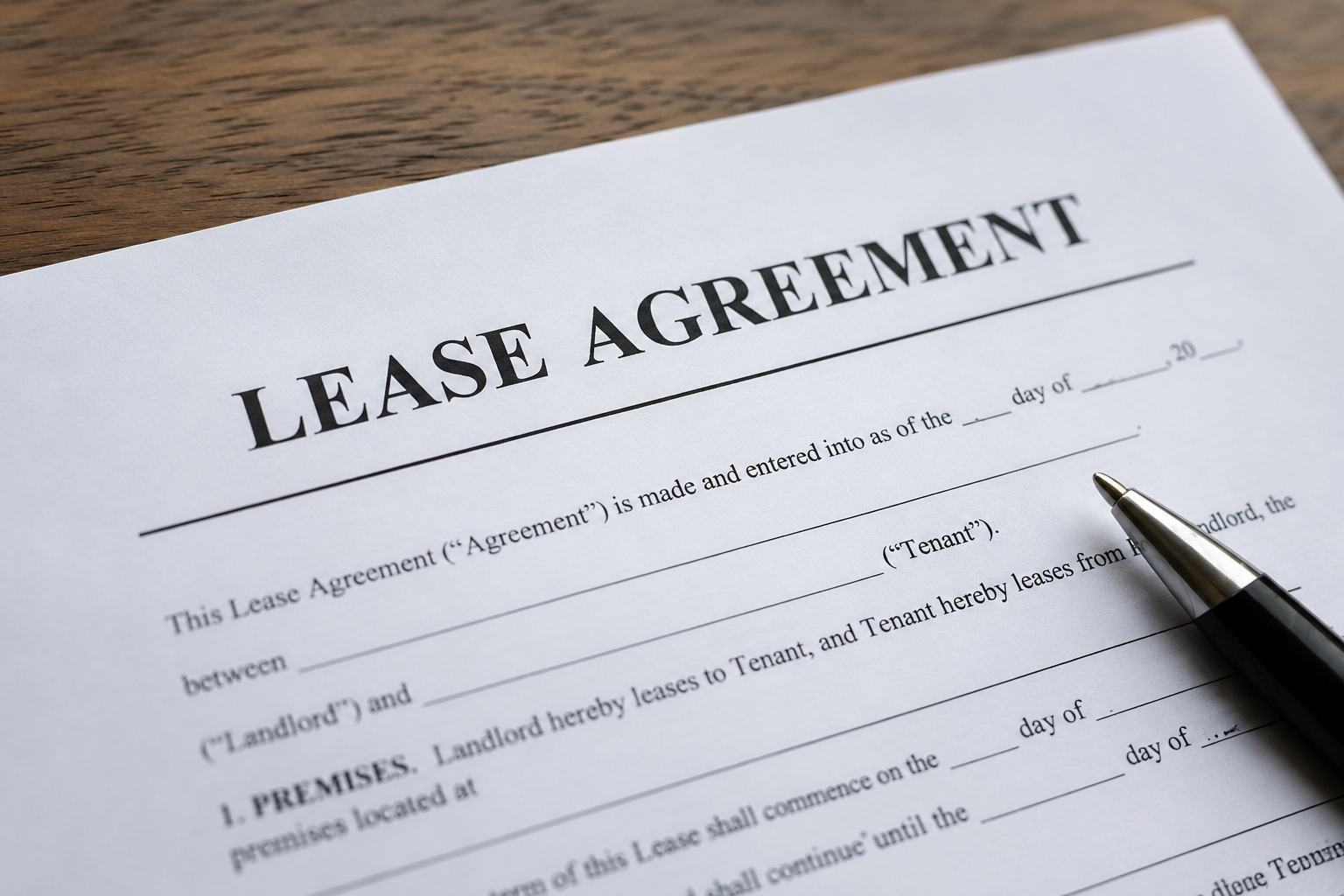
Agreed late fees may be charged only when rent is at least five calendar days late, counting from the day after it was due. Monthly fees cannot exceed $15 or 5% of monthly rent, whichever is greater; weekly fees cannot exceed $4 or 5% of weekly rent, whichever is greater. Charge only once per late payment. For subsidized rent, calculate the fee using the tenant’s share.
Security Deposit Rules in North Carolina
North Carolina caps security deposits at two weeks’ rent for weekly tenancies, one and a half months for monthly tenancies, and two months for longer terms.
Use a qualifying trust account or a bond from an insurer licensed in North Carolina. An out-of-state trust account requires an adequate bond. Notify the tenant within 30 days after the lease begins of the institution’s name and address or the bonding insurer’s name.
After termination and delivery of possession, return the balance and itemize deductions within 30 days. If the claim cannot yet be determined, provide an interim accounting within 30 days and a final accounting within 60. Document lawful deductions with photos and invoices; ordinary wear and tear is not deductible.
Property Management Pricing Plans
Fair Housing Compliance
Federal fair housing protections generally prohibit discrimination based on race, color, national origin, religion, sex, familial status, and disability. Coverage and exemptions require careful review, and state or local protections may also apply.
Screening criteria should be lawful, written, and applied consistently rather than based on who “seems responsible.” Consistency does not eliminate the obligation to consider reasonable accommodation requests. Keep records of the criteria, supporting information, and decision.
Rent Rules and Increases
North Carolina has no general statewide rent-control cap, but that does not make every increase lawful. Review the lease, applicable notice requirements, and any subsidy restrictions before changing rent. Do not confuse the seven-day statutory notice for ending a month-to-month tenancy with a universal rent-increase notice rule.

Pricing also affects returns. Push a renewal too hard and a vacancy may cost more than the increase would have earned.
Eviction Basics in North Carolina
Evictions go through a court process called summary ejectment, usually in small claims court. For nonpayment, the statutory route generally requires a demand for rent and ten days without payment. An enforceable lease forfeiture provision can affect that requirement; confirm the applicable grounds and notice before filing.
Both parties generally have ten days to appeal a magistrate’s judgment. Regaining possession requires the proper court process and sheriff’s enforcement. Changing locks, shutting off utilities, or removing belongings to force a tenant out is unlawful.
How Compliance Protects Your ROI
A deposit dispute, missed notice, or fair housing complaint can cost time, legal fees, and vacancy days. Organized leases, repair records, notices, and payment histories help owners address problems with evidence instead of relying on memory.
Bottom Line
Compliance belongs in everyday rental operations, from the lease you sign to the deposit you return. At Real Property Management Queen City, we approach rental ownership as a long-term responsibility. Specific disputes and uncertain lease provisions call for advice from a qualified North Carolina attorney.
Frequently Asked Questions About North Carolina Landlord-Tenant Law
The practical difficulty is often applying a rule to a particular lease or event. These distinctions help owners identify what needs closer review.
What Is the NC Residential Rental Agreements Act?
The Act is Article 5 of Chapter 42, covering residential rental rights, obligations, and remedies. It includes landlord duties to provide fit premises and tenant responsibilities for maintaining the dwelling. It is not the whole of North Carolina rental law: security deposits and eviction procedures appear elsewhere in Chapter 42.
Owners should also check their lease and any applicable federal or local requirements. Reading one statutory section alone may leave an important part of the situation unanswered.
How Much Can a Landlord Charge for a Security Deposit in North Carolina?
The maximum depends on the tenancy: two weeks’ rent for week-to-week arrangements, one and a half months for month-to-month arrangements, and two months for longer terms. The amount collected is only one compliance question.
Owners also need to follow the handling, disclosure, permitted-use, and return rules. Keep the deposit record separate from assumptions about future repairs. A lawful deposit amount does not authorize an automatic deduction, and ordinary wear and tear cannot be charged against it.
Can a Landlord Evict a Tenant Without Going to Court in NC?
A landlord cannot forcibly remove a tenant by changing locks, interrupting utilities, or similar self-help measures. Summary ejectment provides the legal route when grounds exist, although a tenant can choose to leave voluntarily. Before filing, review the lease, rent ledger, relevant notices, and the reason possession is sought.
Nonpayment and other lease breaches may involve different requirements. A favorable judgment also does not authorize an immediate personal lockout; the appeal period and lawful enforcement process still matter.
How Much Notice Is Needed Before Raising Rent?
Do not rely on a blanket seven-day answer. That statutory period concerns termination of a month-to-month tenancy, while a proposed rent change requires review of the lease and applicable rules.
Check the tenancy type, renewal terms, timing, and any longer contractual notice period before communicating a new amount. Subsidized housing can involve additional restrictions. For an uncertain provision or disputed increase, a North Carolina attorney can assess the specific agreement rather than applying a generic timeline.
Is a Property Manager Required for Compliance?
An owner does not have to hire a property manager simply to understand these responsibilities. Self-management still requires time for repair coordination, records, lawful leasing, deposit accounting, and keeping current with applicable requirements. Professional management can help organize those tasks, but hiring a manager does not guarantee compliance or replace legal advice. If an owner delegates work, the agreement should make responsibilities clear. Keep access to the records needed to understand what has been done and what remains outstanding.
Please note that the information provided in this blog is intended for general guidance and should not be considered as a replacement for professional legal advice. It is important to be aware that laws pertaining to property management may change, rendering this information outdated by the time you read it.
Free Property Management Consultation
This content is provided for general informational and educational purposes only and does not constitute financial, legal, tax, or investment advice. Readers should consult with licensed professionals regarding their specific circumstances.
We are pledged to the letter and spirit of U.S. policy for the achievement of equal housing opportunity throughout the Nation. See Equal Housing Opportunity Statement for more information.
